Best Overall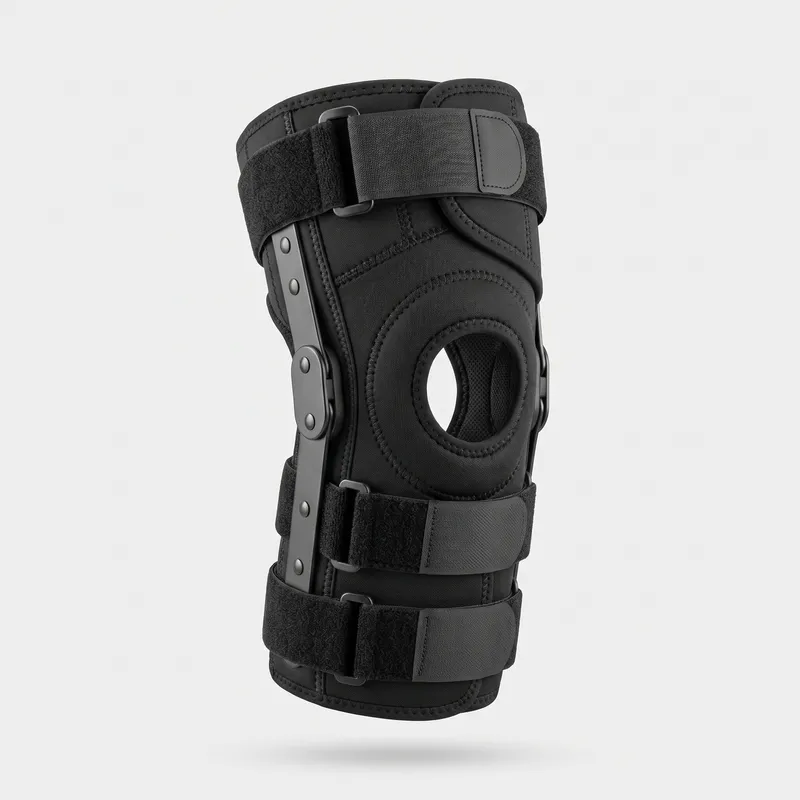
DonJoy Bionic FullStop
★★★★★ 4.5
Dual-hinge stability for ligament recovery and aggressive lateral play.
Check PriceFive braces, 40+ hours of real court time. We graded stability, comfort, durability, and how each one actually holds up during quick pivots and lunges — so you can stay in the game.
Independent, reader-supported reviews. We may earn a commission from links on this page at no extra cost to you. This never changes our ratings.
Four standouts for four different needs. Full reviews below.
Dual-hinge stability for ligament recovery and aggressive lateral play.
Check Price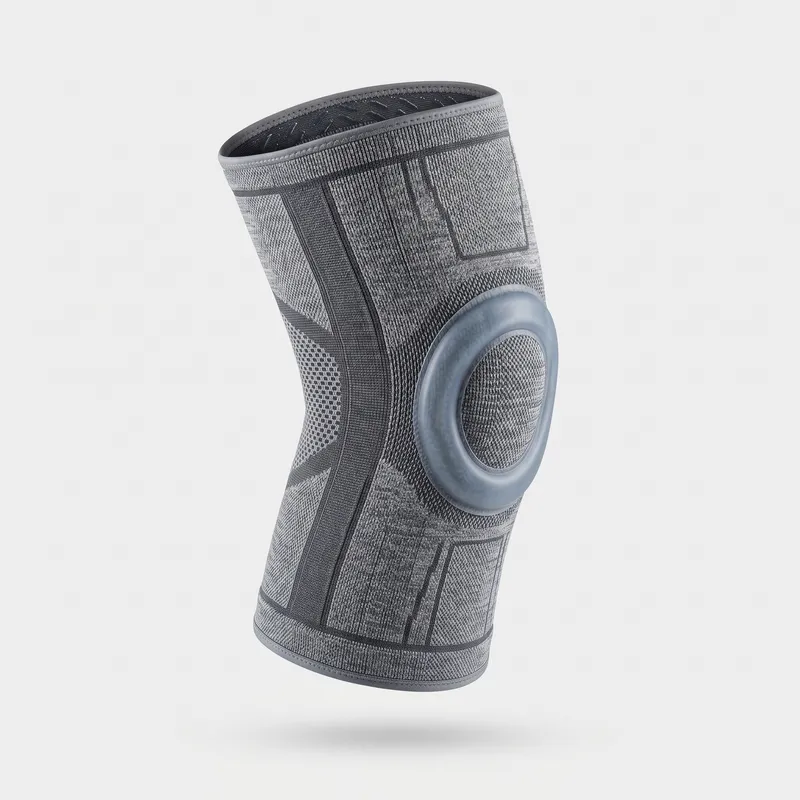
Medical-grade knit compression with a silicone patella ring for all-day comfort.
Check Price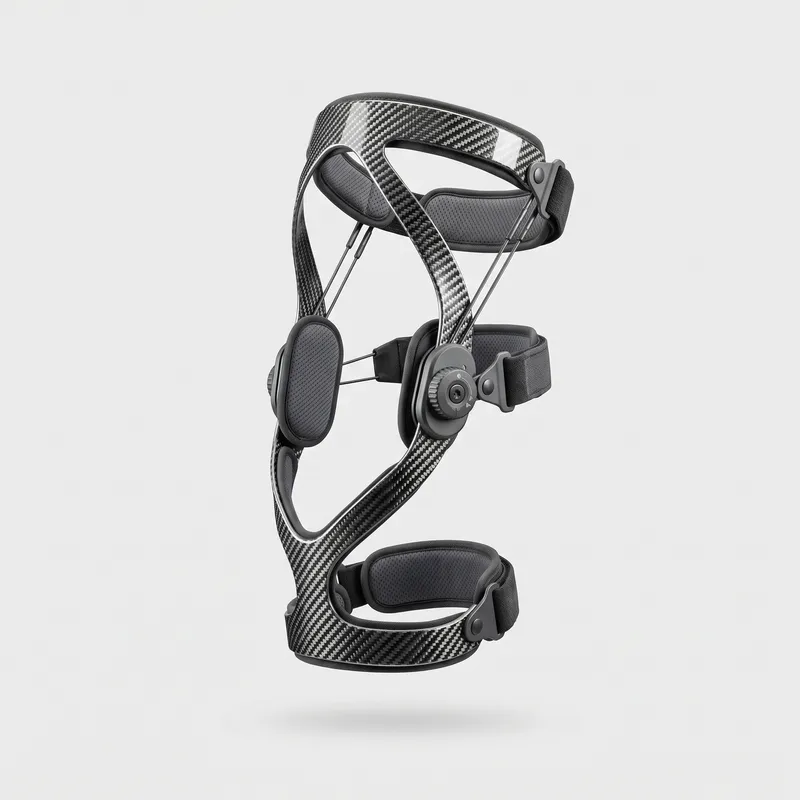
Custom 3D-fit unloader that offloads up to 40 lb from an arthritic compartment.
Check Price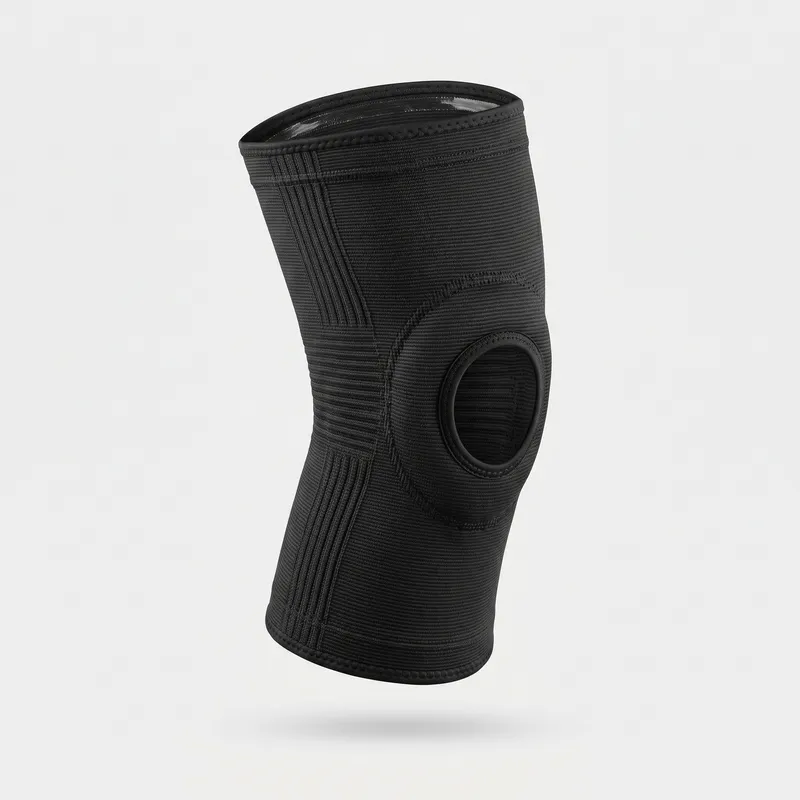
85–90% of premium performance at about a quarter of the price.
Check Price| Brace | Type | Best for | Price | Score |
|---|---|---|---|---|
| DonJoy Bionic FullStop | Dual-hinge rigid | Ligament injury, lateral stability | $$$ | 9.3 |
| Bauerfeind GenuTrain | Knit compression | Pain relief, mild instability | $$ | 9.0 |
| Ascender Unloader | Custom unloader | Osteoarthritis, chronic pain | $$$$ | 8.7 |
| Sleeve Stars Sleeve | Compression sleeve | Budget, all-day comfort | $ | 8.4 |
| Hyperice X Knee | Hot/cold therapy | Post-play recovery | $$$ | 8.2 |
Pickleball looks gentle, but the biomechanics say otherwise. The court is small, so reactions are quicker and direction changes more abrupt. Constant side-to-side shuffling, sudden stops, and lunging for low balls load the ligaments and meniscus — and harder outdoor courts transmit more impact straight to the joint, which we felt most in the second hour of play.
The usual injuries: ligament sprains from aggressive pivots, meniscus tears and ACL strain from sudden stop-and-pivot, and flare-ups for anyone with existing osteoarthritis. Learn to tell normal post-play soreness (gone in 24–48 hrs) from injury pain (persistent, worsens with specific moves, swelling). For background, see the AAOS guide to knee braces.
Light (2–4 oz), full range of motion. Graduated pressure improves circulation and proprioception. Best for prevention and mild swelling.
Prevention · comfortHeavier (8–12 oz) with side hinges that stop the knee at safe angles. Maximum lateral stability for ligament protection.
Stability · recoveryRigid frame (10–16 oz) that shifts load off the painful, arthritic compartment to widen joint space and reduce pain.
ArthritisSpecs, hands-on verdict, real-player feedback, and the honest trade-offs.
Over 15 hours of court time across three weeks, the dual aluminum hinges delivered a firm mechanical stop at the extremes of lateral motion — protective, not jarring. On a hard crosscourt lunge that could easily have strained an MCL, we could feel the brace keep the knee from collapsing inward. The low-profile frame genuinely disappears under athletic pants, and the hook-and-loop straps never rotated, even after 90 sweaty minutes. After about two sessions of break-in, it fades into the background while the stability stays constant.
"I wore the DonJoy for my first tournament back, six months after ACL reconstruction — 12 matches over two days. Not once did I worry about my knee giving out on a quick pivot."— Michael R., tournament player
Twelve hours of testing showed why the GenuTrain is the comfort benchmark. The graduated compression is snug without being constrictive, and the silicone ring around the kneecap noticeably sharpens proprioception during lateral moves. Its knit breathes — after a three-hour tournament it was barely damp and hadn't migrated at all, where cheaper sleeves saturate and slide. Bonus: the warmth cut our early-session stiffness warm-up from 15–20 minutes down to about 10. Backed by a 60-day guarantee.
"I've worn the GenuTrain three times a week for six months. Less stiffness, less swelling — I actually feel less confident on the court without it now."— Janet K., 58, mild osteoarthritis
More at the Bauerfeind pickleball page.
The Ascender is fabricated to a 3D scan of your leg, and the difference shows — every contact point feels intentional, with no gaps or pressure points and zero slip during lateral movement. For our tester with medial-compartment arthritis, the usual "grinding" that shows up around the 45-minute mark never appeared, even at 90 minutes, and post-session soreness dropped noticeably. The hybrid rigid/flexible frame lets you bend fully for low balls while the offloading force stays constant. It's lighter and far less bulky than traditional unloaders.
"Before the Ascender I could play maybe 45 minutes before the pain was unbearable. Now I regularly play two hours with minimal discomfort. It's been genuinely life-changing."— Robert T., 67, severe medial osteoarthritis
Across 10 hours of testing, the Sleeve Stars delivered roughly 85–90% of premium performance at about a quarter of the cost. It's lighter than the GenuTrain with moderate, even compression — plenty for recreational play and mild discomfort. The moisture-wicking fabric kept slippage minimal; over a humid 90-minute session it drifted maybe half an inch, a non-issue. After two weeks of washing it held its elasticity. The ideal first brace before you spend $100+.
"I was skeptical about a budget option, but it does everything I need — warmth, light support, no slipping. For $20–30, a great investment."— David L., plays twice weekly
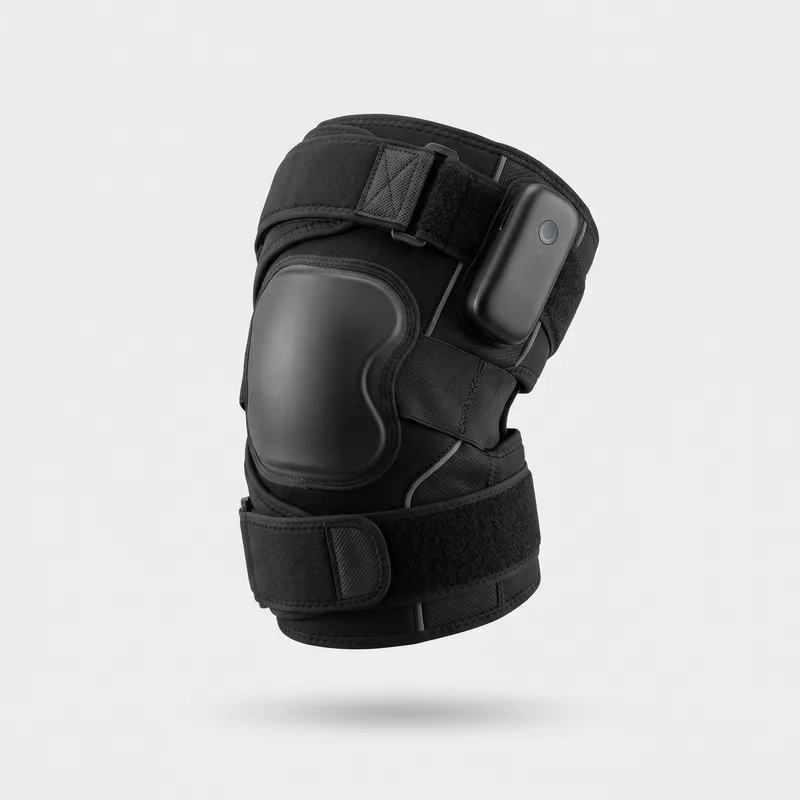
This isn't on-court protection — it's a recovery tool, and a good one. The compression-plus-cold contact beats a loose ice pack and holds a steady temperature for the full 20 minutes. After a six-match tournament day, 20 minutes of cold post-play then gentle heat before bed left us noticeably less stiff the next morning. Pre-play heat around 100°F also sped up the warm-up. App control dials the temperature in precisely.
If you want one safe default, start with our Best Overall — the DonJoy Bionic FullStop balances real stability with everyday comfort.
See the Top Pick →Match the support to your situation on the court.
Past ligament injury (ACL/MCL) or you want confidence on aggressive lateral cuts. Dual hinges prevent hyperextension.
Mild OA, patellar tracking, or general aches. Compression without the bulk, ideal for all-day wear.
Moderate-to-severe OA that's shortening your sessions. Custom offloading can give the time back.
Recreational play or a backup. Try compression before investing in a premium option.
A poorly fitting brace doesn't just underperform — it slips, rotates, and can create new pressure points. Sizing isn't universal: a "Large" in one brand can be a "Medium" in another. Measure, then check the brand's chart.
Circumference at the kneecap center, plus 6 inches above and below. Record all three.
Never assume sizes match across brands. Between sizes? Size up for sleeves, down for hinged braces.
Align hinges with the knee's pivot point; fasten the middle strap first, then alternate upper/lower so it sits centered.
10 squats, 10 lateral lunges each side, 10 light jumps. It should stay put with no pinching or migration.
Machine-wash compression sleeves cold in a mesh bag with mild detergent and always air-dry — heat destroys elastic. Hand-wash hinged braces in cool soapy water, rinse, pat dry, and air-dry fully; wipe metal hinges dry. Store flat or hanging, not crumpled in a gym bag, and let braces air out between sessions. For broader knee-health context, Hospital for Special Surgery has solid resources.
Only if a physician prescribes it for a specific condition. For sports, wear it during activity and take it off afterward so your joint and muscles work normally. Constant wear can lead to muscle dependency, so we keep brace use to pickleball and similar activity unless a doctor says otherwise.
They reduce strain and improve stability, but they're not a guarantee. Warm-ups, strength training, and listening to your body matter just as much. Treat a brace as one tool in the kit, not the whole solution.
Taping is flexible and customizable but must be reapplied each session with proper technique. Braces give consistent, repeatable structure and last longer for regular play — more practical for most pickleball players.
Yes. Knee braces aren't gender specific — fit comes down to sizing. Measure carefully and follow the manufacturer's chart; that determines fit and performance, not gender.
No. Hinged braces give structural stability through rigid frames, compression sleeves give graduated pressure, and unloader braces redistribute pressure off an arthritic compartment. Pick the category that matches your need.
Yes — a thin compression sleeve under a hinged brace is common, especially after surgery. The sleeve manages swelling and wicks moisture while the brace adds structure. Just make sure the sleeve is thin enough not to affect the brace's fit.
Compression sleeves feel natural within one session. Hinged braces usually need 2–3 sessions (4–6 hours of play) to stop feeling restrictive. Ease in with lighter practice before competitive play.
Used during activity only (not 24/7), no. Pair brace use with quad and hamstring strengthening. The brace supports high-stress activity — it doesn't replace strong, functional muscles.
Replace sleeves when they lose elasticity and start slipping. Replace hinged braces if hinges loosen or break, straps stop holding, or the frame cracks. Budget sleeves can fade after 2–3 months of regular use; quality hinged braces last years with care.
After 40+ hours on court, the DonJoy Performance Bionic FullStop is our top pick for maximum stability — the dual hinges give real, consistent support for ligament recovery and aggressive lateral play without feeling like a cage. For comfort and pain management, the Bauerfeind GenuTrain is the compression benchmark, with a 60-day guarantee that lowers the risk. Players managing osteoarthritis should weigh the Ascender Unloader — pricey, but the custom offloading can give back the playing time arthritis takes away. On a budget, the Sleeve Stars sleeve punches well above its price, and the Hyperice X Knee rounds things out for recovery.
A brace is one tool. Pair it with a 10-minute dynamic warm-up, quad/hamstring strength work 2–3× per week, and honest attention to warning signs. Players who combined the right brace with that routine had the best outcomes in our testing — fewer flare-ups, less pain, more confidence. Don't let knee pain sideline you.